
Don’t have an account yet?
or
Don’t have an account yet?
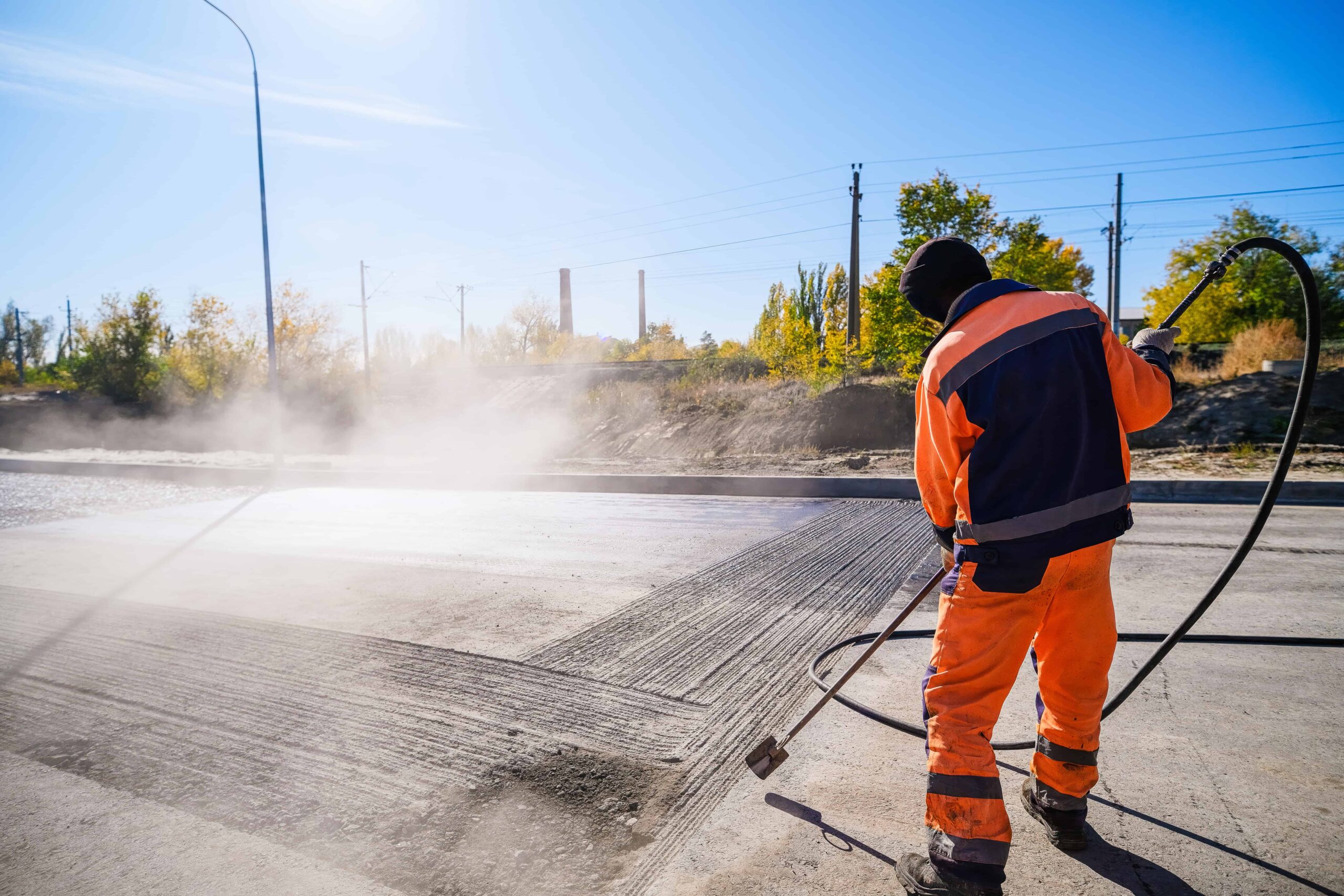

Right at the beginning of the interview, Beier makes it clear that many things in municipal building authorities today are very different from the usual clichés. AI is now an important part of everyday life in the building authorities. In Nagold, all of the roads are travelled with AI support. This automatically records all damage during the journey and categorises it. Orders for repairs can also be forwarded directly to the municipal building yard via the software.

However, there are also practical reasons against making full use of all the possibilities of digitalisation. Rafael Beier, for example, does not believe that too much control makes sense, even if it would be possible today thanks to digital communication channels. Instead, he favours giving local people the freedom to make decisions. He told us in an interview how he manages this balancing act and how he copes with the tight budget for construction tasks.
But before the city can realise a construction project, it must first be awarded. It is well known that special conditions apply to public sector clients. However, a lot has changed here too in recent years. The days when all contractors turned up at the civil engineering office at 10 o’clock in the morning to submit tenders are long gone. Today, contracts are awarded electronically.

But where should it actually be built? In times of tight budgets, this is not such an easy decision. Rafael Beier has to make do with an annual budget of 30 cents per square metre in Nagold. At the same time, residents often have the impression that refurbishments are carried out far too late. Find out in the interview why this is usually not true and – as some citizens suspect – whether the streets where a local councillor lives are really favoured (spoiler: no).

Here you can specify in detail which services you wish to allow. Individual services can be enabled or disabled within each category.


