
Don’t have an account yet?
or
Don’t have an account yet?
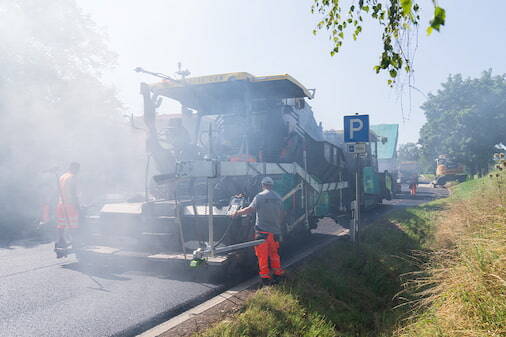
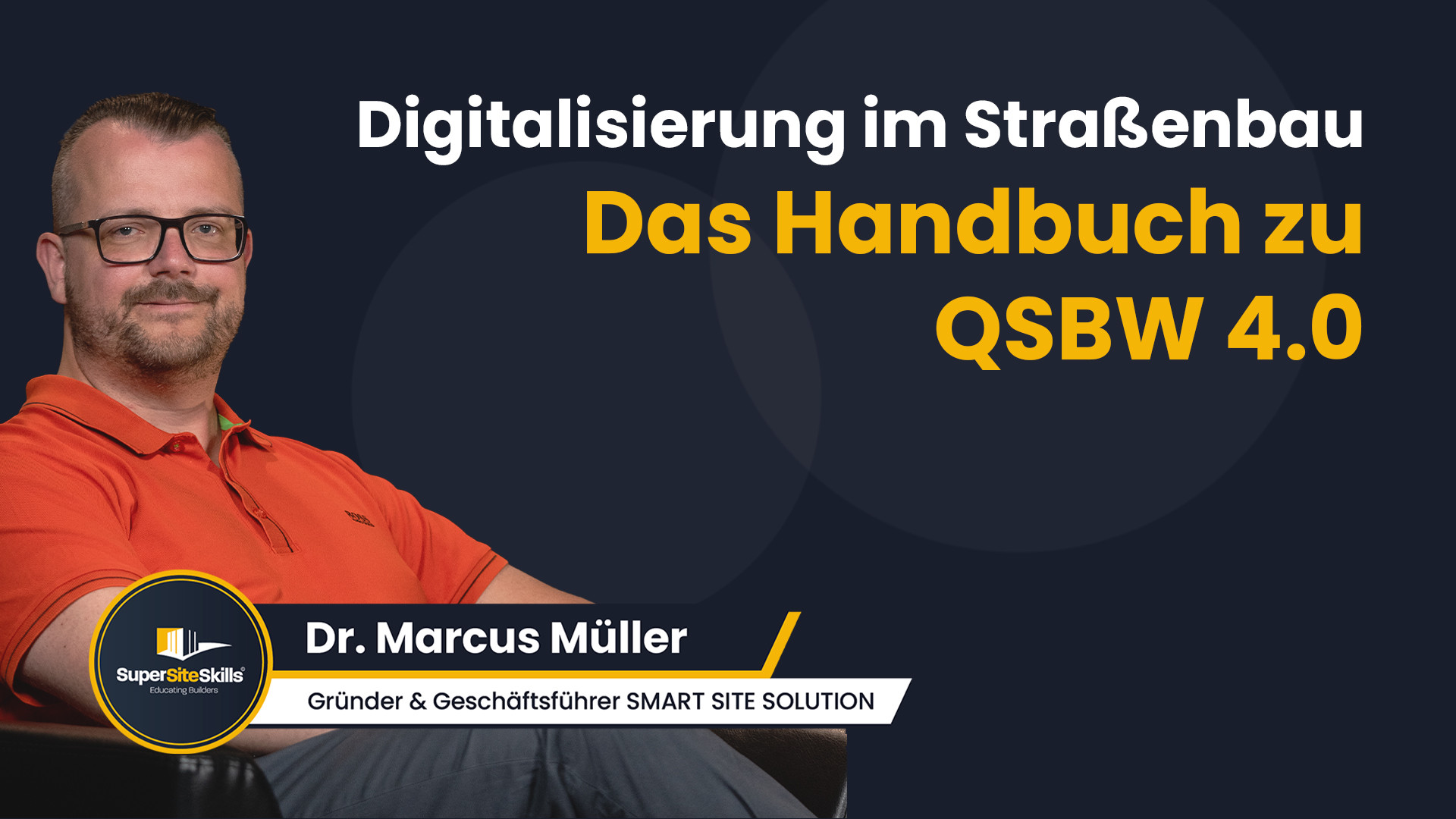
QSBW 4.0 introduces numerous innovations in the implementation of maintenance measures, such as the networking of construction machinery and vehicles with each other or the documentation of the paving temperature in real time. Dr Müller considers two things to be particularly important for the successful implementation of these innovations.
Construction companies should not try to implement the entire technology bundle all at once in their day-to-day work; instead, the expert advises a gradual introduction. However, what has been implemented once should then also be used on every construction site, not just when the tender requires it. This is the only way for companies and their employees to develop the necessary routine, explains Müller.

But even if a company takes small steps on the path to digitalisation, it cannot avoid making investments. Hardware and software solutions have to be provided and employees have to be trained in how to use them. Of course, this also means additional costs for the client. However, these are partially offset by longer delivery times and other benefits.
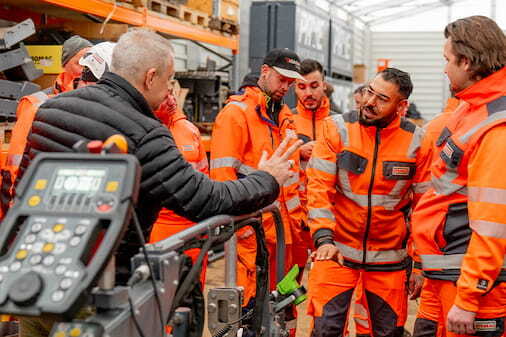
Marcus Müller believes that the cost factors for the contractors are easy to calculate. The human factor can be a different story. Companies need to show their employees the opportunities offered by digitalisation and provide them with the best possible training for their new tasks. After all, there are plenty of uncertainties.
One concern that affects not only the construction industry, but digitalisation in general, is the fear of total surveillance. Many fear that clients will meticulously monitor their contractors and that companies will in turn monitor every single employee.
Müller believes that management has a duty to prevent this from happening. Although digital technology shows many errors in real time, it is important not to fall into the trap of only controlling all processes from the office. Both clients and contractors must continue to be present on construction sites and talk to employees on site in the event of problems. Otherwise, digitalisation is doomed to failure from the outset, the expert believes.

Road construction cannot ignore the issue of sustainability. Sustainability criteria are now a central component of public sector tenders. However, Müller believes that sustainability and digitalisation should not be viewed separately, but rather go hand in hand, for example when it comes to compliance with and monitoring of sustainability criteria.
“There is almost no other option than to do this digitally. The link between the major social issue of sustainability, which is also increasingly driving the construction industry, and digitalisation: that will be the future,” Marcus Müller is certain.
Here you can specify in detail which services you wish to allow. Individual services can be enabled or disabled within each category.


